
Call us now
01243 88 24 34
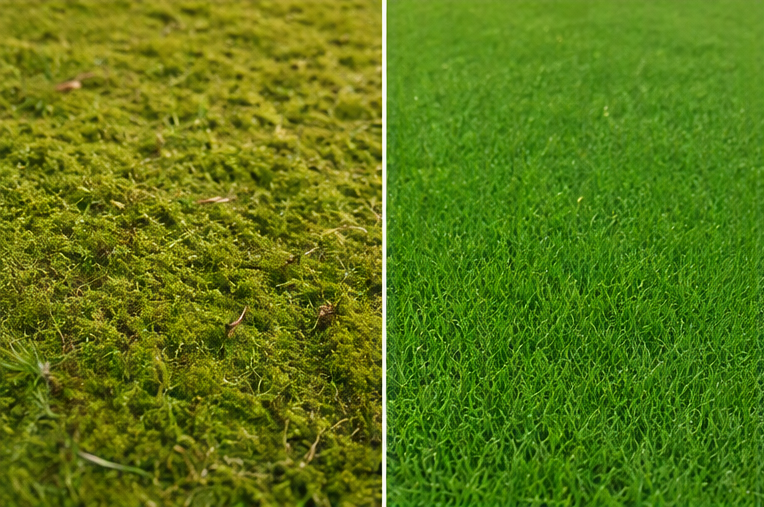
Why Moss Keeps Returning to Your Lawn and How to Stop It
Moss can quickly take over a lawn, making grass appear thin, uneven, and unhealthy. Although many homeowners remove moss repeatedly, it often returns because the underlying causes are not addressed.
Why Moss Grows in Lawns
Moss thrives where grass struggles. It is often a symptom of broader lawn health issues.
Common causes include:
- Poor drainage
- Soil compaction
- Excess shade
- Low fertility
- Thatch build-up
Why Moss Is Common in West Sussex Gardens
The coastal climate across Chichester, Bosham, and nearby areas can create the damp conditions moss enjoys. Shaded gardens and poorly drained lawns are particularly vulnerable.
Effective Moss Control Strategies
Improve Lawn Drainage
Aeration helps water move through the soil instead of remaining on the surface.
Remove Thatch
Scarification removes the organic layer that helps moss establish.
Strengthen the Grass
A healthy lawn naturally competes against moss.
Regular feeding and overseeding can improve grass density.
Address Shaded Areas
Where possible, increasing sunlight exposure can help grass perform better.
Preventing Moss from Returning
Long-term prevention is usually more effective than repeated removal.
A professional lawn care programme that includes:
- Moss treatment
- Scarification
- Aeration
- Seasonal feeding
can significantly reduce future outbreaks.
Moss is often a symptom of lawn stress rather than the root problem itself. Identifying and correcting the conditions that encourage moss growth is the key to achieving a healthier lawn.
FAQ
Usually not. Without addressing the underlying causes, moss is likely to continue spreading.
Yes. Stronger grass competes more effectively with moss.
A combination of moss control, scarification, aeration, and lawn feeding often delivers the best results.